
Sustainable policies
Lishiua International Hotel Sustainability Policy
Lishiuan International Hotel, located in Hualien, embraces its responsibility to protect the region’s natural landscapes, cultural heritage, and community well-being. In response to global ESG trends, we integrate sustainability into our daily operations, believing that travel can be a force that supports both the environment and local communities.
Environmentally, we work to reduce resource waste by minimizing single-use items, promoting energy-saving measures, and encouraging eco-friendly dining, allowing guests to enjoy their stay while reducing environmental impact.
Socially, we collaborate with local farmers, artisans, and cultural organizations to introduce guests to Hualien’s stories and support the local economy.
In governance, we practice transparent management and emphasize employee participation and training to strengthen professionalism and build a responsible operational culture.
Looking ahead, we will continue to promote sustainable tourism rooted in Hualien—environmentally friendly, culturally respectful, and community-oriented. We invite every guest to join us in preserving the beauty of this land for generations to come.
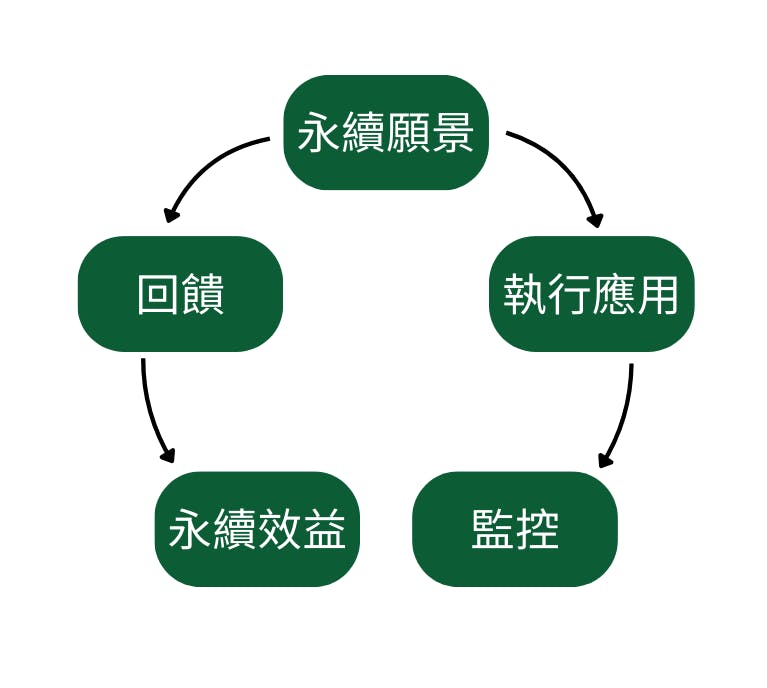
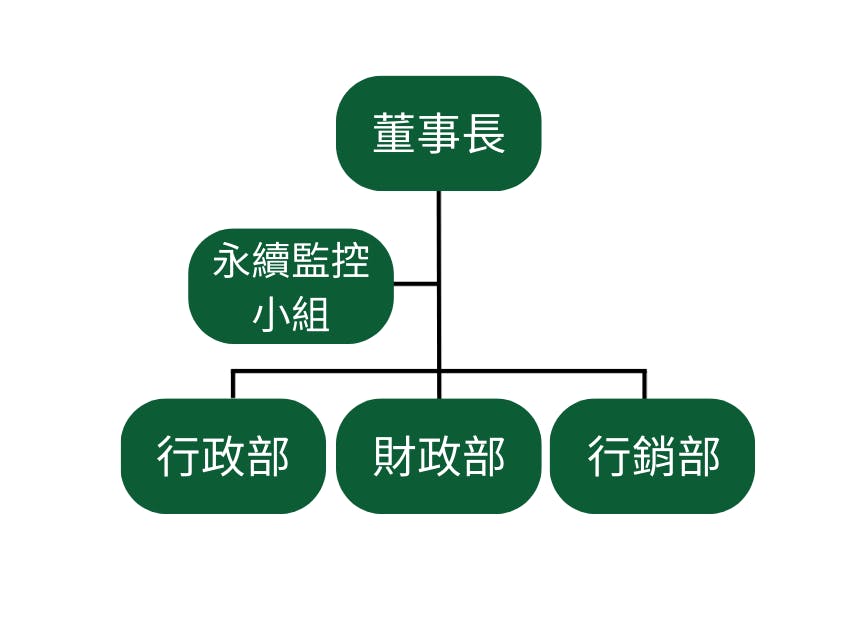
2. Sustainability Policy Implementation Framework
1. Sustainability Vision
We believe that sustainability is an ongoing responsibility rather than a temporary slogan. Through plastic reduction, energy conservation, local collaboration, community engagement, and employee care, we integrate sustainable values into our daily operations. In the future, we aim to become a driving force for sustainable tourism in Hualien, encouraging every guest to protect the environment and support the community during their stay. With collective effort, the natural beauty and cultural heritage of Hualien can be preserved for generations.
2. Practical Implementation
2-1 Environmental Protection
Plastic Reduction: Providing reusable water bottles and filtered water stations for guests, while gradually phasing out single-use bottled water.
Green Dining: Offering plant-based meal options and sourcing ingredients from local farmers to reduce food mileage.
Energy Efficiency: Replacing all lighting with energy-saving fixtures and installing timer and sensor systems to reduce unnecessary energy consumption.
2-2 Social Contribution
Local Collaboration: Partnering with Hualien’s agricultural producers and cultural artisans to create small display and sales areas, encouraging guests to purchase local products.
Community Events: Hosting family activities and environmental workshops, inviting both residents and travelers to participate and promote environmental education.
Public Welfare Support: Donating a portion of room revenue to assist disadvantaged groups or educational funds, creating a positive cycle between tourism and social responsibility.
2-3 Governance
Transparent Management: Regularly publishing environmental and social responsibility reports to keep stakeholders informed of our sustainability progress.
Employee Learning: Promoting mentorship programs and intergenerational knowledge exchange to help younger staff gain experience while encouraging senior staff to adopt new ideas.
Employee Benefits: Providing flexible working hours and skill training to support both quality of life and professional development, enhancing team cohesion.
3. Monitoring (Sustainability Monitoring Committee)
Sustainability is not the responsibility of a single department—it is a collective journey shared by the entire team. To ensure continuous progress, we have established a Sustainability Monitoring Committee that operates through cross-departmental collaboration. The committee regularly reviews, tracks, and improves all sustainability measures. We believe that only through a transparent and measurable monitoring system can sustainability progress from a promise into visible and verifiable results.
4. Sustainability Benefits
4-1 Environmental Benefits
Reducing resource waste: Minimizing single-use plastics while promoting reuse and recycling to lessen environmental burdens.
Lowering carbon emissions: Implementing energy-saving equipment and promoting plant-based meals to reduce energy consumption and food miles.
Protecting natural ecosystems: Through sustainable tourism advocacy, guiding travelers to explore Hualien’s mountains and oceans in low-impact ways, thereby protecting local ecosystems.
4-2 Social Benefits
Boosting the local economy: Collaborating with small farmers and artisans to stimulate local industry development and foster a mutually beneficial community model.
Strengthening cultural preservation: Offering family activities and cultural experience programs that help travelers deepen their understanding of Hualien’s cultural heritage.
Expanding charitable impact: Donating a portion of revenue to community and educational funds to support disadvantaged groups and enhance overall social well-being.
4-3 Governance Benefits
Enhancing brand image: Sustainability actions reinforce our market positioning in “responsible tourism” and attract travelers who value ESG practices.
Improving employee engagement: Cross-departmental collaboration and shared learning strengthen communication across generations and enhance team cohesion.
Ensuring long-term competitiveness: Transparent governance and regular evaluations help establish a resilient operational model, reducing business risks and increasing sustainability potential.
5. Feedback
We will establish a feedback mechanism to allow employees, guests, and community members to provide suggestions on our sustainability policies.
5-1 Internal Employee Feedback
We will create communication channels for employees to freely submit improvement suggestions. Quarterly cross-department meetings will also be held to enable colleagues at all levels to share observations, challenges, and proposals.
5-2 Guest and Community Feedback
Through customer satisfaction surveys, we will collect guest opinions on environmental measures, local collaborations, and service experiences. Feedback gathered from guests and the broader community will be organized into trend reports, serving as key references for improvement by the Sustainability Committee.